01 / 06
Household Biogas
Small-scale systems that use suitable kitchen waste, cattle dung, and organic residues for domestic energy applications.
Explore this project ↘BEMA promotes biogas and waste-to-energy projects that convert biodegradable organic materials into useful energy and valuable by-products. Depending on feedstock, project scale, and end-use requirements, these systems can provide cooking fuel, heat, electricity, upgraded biomethane, and organic manure.
Biogas and waste-to-energy projects connect organic waste management with renewable energy production and resource recovery.
Depending on the feedstock, project scale, and end-use requirements, suitable systems can produce biogas for cooking and heating, electricity, upgraded biomethane, and digestate or other useful by-products.
BEMA promotes project development through technical coordination, feedstock assessment, technology evaluation, project planning, stakeholder engagement, and operational support. The appropriate solution depends on local conditions, available resources, technical requirements, and applicable environmental and safety standards.
Successful projects combine reliable feedstock, suitable technology, safe operation, and a practical plan for using the energy and by-products.
Different applications require different scales, feedstocks, technologies, and operating arrangements. Explore the six project categories supported by BEMA.
Small-scale systems that use suitable kitchen waste, cattle dung, and organic residues for domestic energy applications.
Explore this project ↘Systems for facilities with substantial biodegradable waste, including hostels, hotels, campuses, and institutions.
Explore this project ↘Commercial-scale systems for farms, dairies, food industries, markets, and businesses with consistent organic feedstock.
Explore this project ↘Recover electrical power from suitable waste streams using appropriate conversion and generation technologies.
Explore this project ↘Upgrade biogas to biomethane quality and compress it for suitable storage, transport, and approved end uses.
Explore this project ↘Integrated approaches to treating biodegradable waste and recovering energy and useful by-products.
Explore this project ↘BEMA can facilitate project planning and implementation according to local feedstock, operational requirements, intended outputs, and the needs of the people and organisations using the systems.
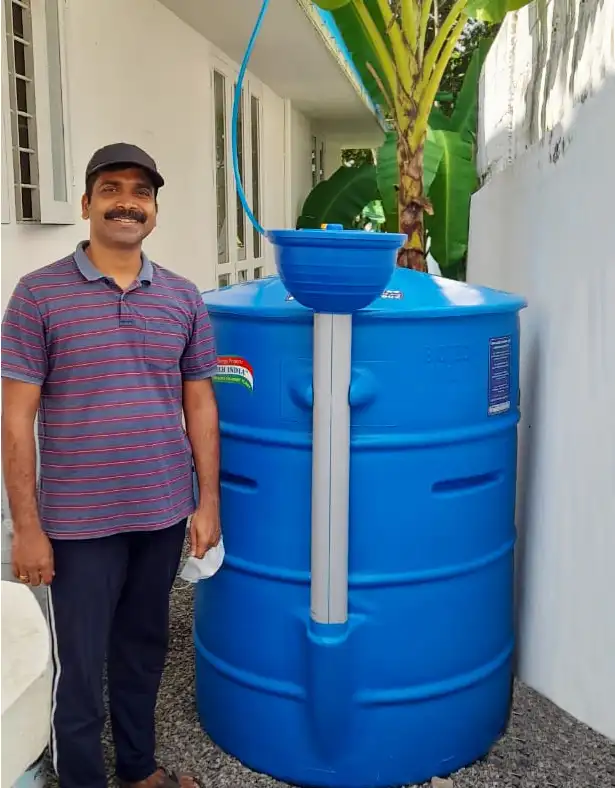 01 / Household applications
Household biogas plants convert biodegradable materials, such as kitchen waste, cattle dung, and other suitable organic residues, into biogas for domestic cooking and other appropriate energy applications. BEMA can facilitate the promotion, design, installation, and maintenance of household biogas systems according to local requirements.
These projects can help families reduce dependence on conventional cooking fuels, manage kitchen and animal waste more effectively, and produce nutrient-rich digestate for agricultural and gardening applications. Training and awareness programmes can help households operate plants safely and maintain consistent performance.
Household biogas is particularly relevant to rural families, farms, and properties with a reliable supply of suitable feedstock and adequate installation space.
Households · Farms · Rural energy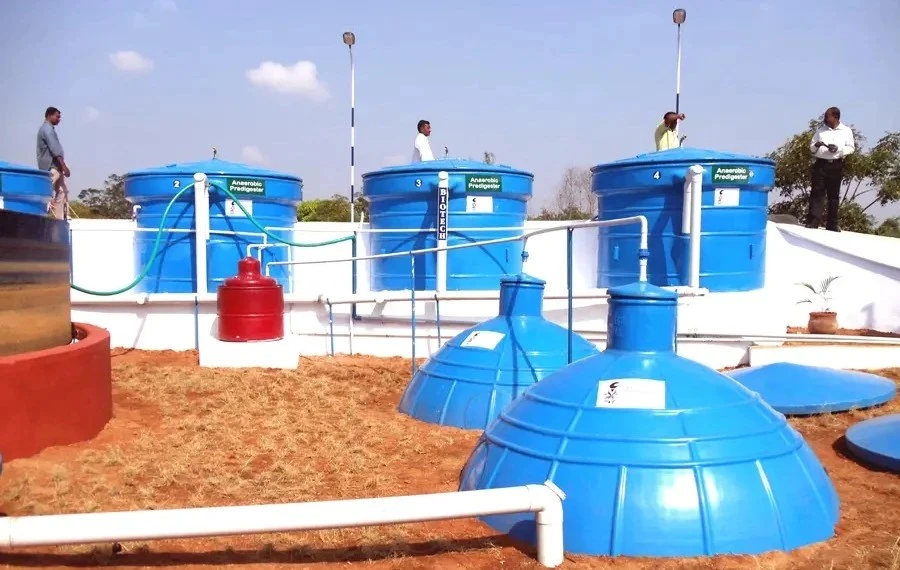 02 / Institutional facilities
Institutional biogas projects are designed for facilities that generate substantial quantities of biodegradable waste. Potential beneficiaries include schools, colleges, hostels, hospitals, hotels, residential communities, religious institutions, and government establishments.
BEMA can facilitate waste audits, feedstock assessments, technology selection, feasibility studies, project planning, installation, and operational training. The biogas produced can be used in institutional kitchens, boilers, or suitable electricity-generation systems, depending on gas availability and equipment configuration.
These projects help institutions reduce waste disposal costs, recover energy from organic waste, and improve environmental management. Proper segregation of waste, adequate plant capacity, and systematic operation and maintenance are essential for successful implementation.
Campuses · Hotels · Institutions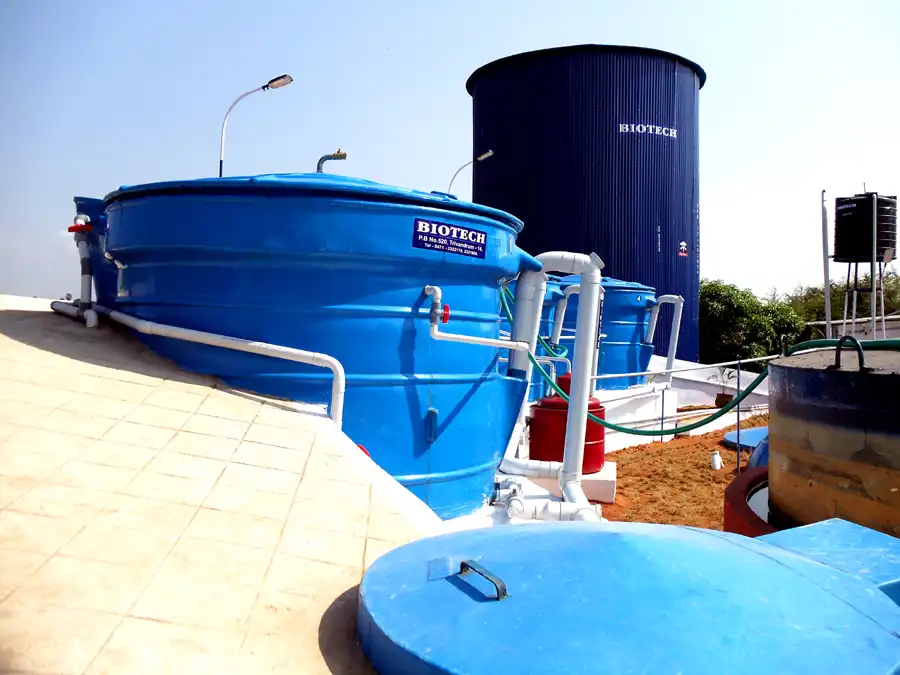 03 / Commercial applications
Commercial biogas projects are developed for farms, food-processing industries, dairies, agro-industries, markets, and other enterprises with substantial and consistent supplies of biodegradable feedstock.
BEMA can support project developers in evaluating feedstock availability, selecting appropriate digestion technologies, assessing energy demand, preparing Detailed Project Reports (DPRs), and examining financial viability. Commercial plants can supply biogas for industrial heating, cooking, and electricity generation or provide a foundation for biomethane production.
The projects may generate additional value through digestate recovery and appropriate by-product utilization. Careful assessment of feedstock quality, seasonal availability, gas demand, capital expenditure, operating costs, and market opportunities is necessary to establish commercially sustainable operations.
Industry · Agriculture · Business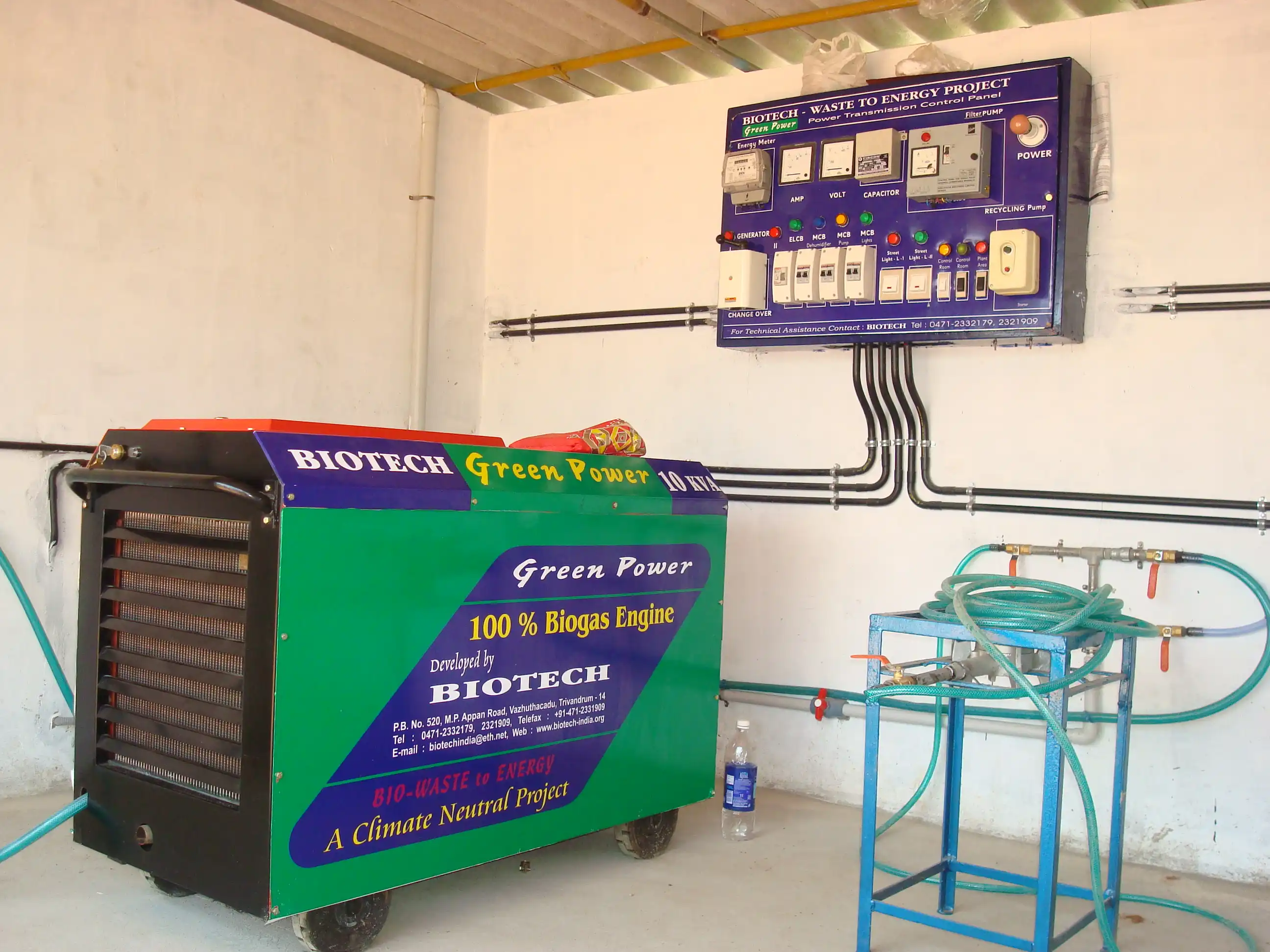 04 / Energy recovery
Waste-to-electricity projects convert suitable waste materials into electrical power through appropriate technologies. Biodegradable waste can be processed through anaerobic digestion to produce biogas, which can fuel a gas engine or generator. Other waste streams may require different conversion technologies depending on their composition and characteristics.
BEMA can facilitate waste characterization, technology assessment, plant planning, equipment selection, implementation coordination, and performance monitoring. Electricity generated may support on-site consumption or, where technically and legally feasible, be supplied to the grid.
These projects can reduce waste disposal requirements, recover energy from otherwise underutilized resources, and support decentralized power generation. Proper pollution control, emissions compliance, residue management, and reliable feedstock supply are essential.
Power generation · Resource recovery 05 / Biomethane production
Compressed Biogas projects involve producing biogas from suitable organic feedstocks, removing impurities, upgrading the gas to biomethane quality, and compressing it for storage, transportation, and approved end uses.
Potential feedstocks include cattle dung, agricultural residues, food-processing waste, and other suitable biodegradable materials. BEMA can facilitate feedstock studies, feasibility assessments, process selection, project planning, equipment coordination, and stakeholder engagement.
CBG can serve as a renewable gaseous fuel for suitable transport, industrial, and commercial applications, subject to applicable fuel-quality and safety requirements. Successful projects require reliable feedstock sourcing, efficient gas purification, appropriate compression and storage systems, regulatory compliance, and commercially viable marketing or offtake arrangements.
Biomethane · Fuel · Gas upgrading 06 / Circular resource systems
Organic waste-to-energy projects integrate waste management with energy recovery and resource conservation. They can process biodegradable waste from municipal markets, hotels, restaurants, food industries, agriculture, and other establishments using suitable biological or thermal conversion technologies.
BEMA can assist with waste audits, segregation planning, feedstock assessment, technology selection, project development, and operational support. Depending on the selected process, outputs may include biogas, electricity, heat, biomethane, compost, or other recoverable products.
Such projects support circular economy principles by converting waste into useful resources, reducing the burden on landfills, and improving local environmental management. Technology selection must account for waste composition, contamination, moisture content, scale, environmental safeguards, and the intended end products.
Organic waste · Energy · Circular economyWell-planned organic waste-to-energy systems can connect waste treatment with energy production, resource recovery and the productive use of suitable by-products.
Selecting the right process requires an understanding of feedstock characteristics, contamination, moisture content, scale, environmental safeguards and the intended end products.
Project success depends on more than selecting equipment. Feedstock reliability, technical suitability, operational capacity and long-term viability must all be considered.
Every biogas and waste-to-energy project has different requirements. BEMA encourages informed project planning, suitable technology selection, responsible operation and collaboration among stakeholders.
Contact BEMA India to discuss project opportunities, explore technical collaboration, or learn more about renewable energy and organic waste management.